


Subtotal ₹0.00





 24 Hour Emergency Aid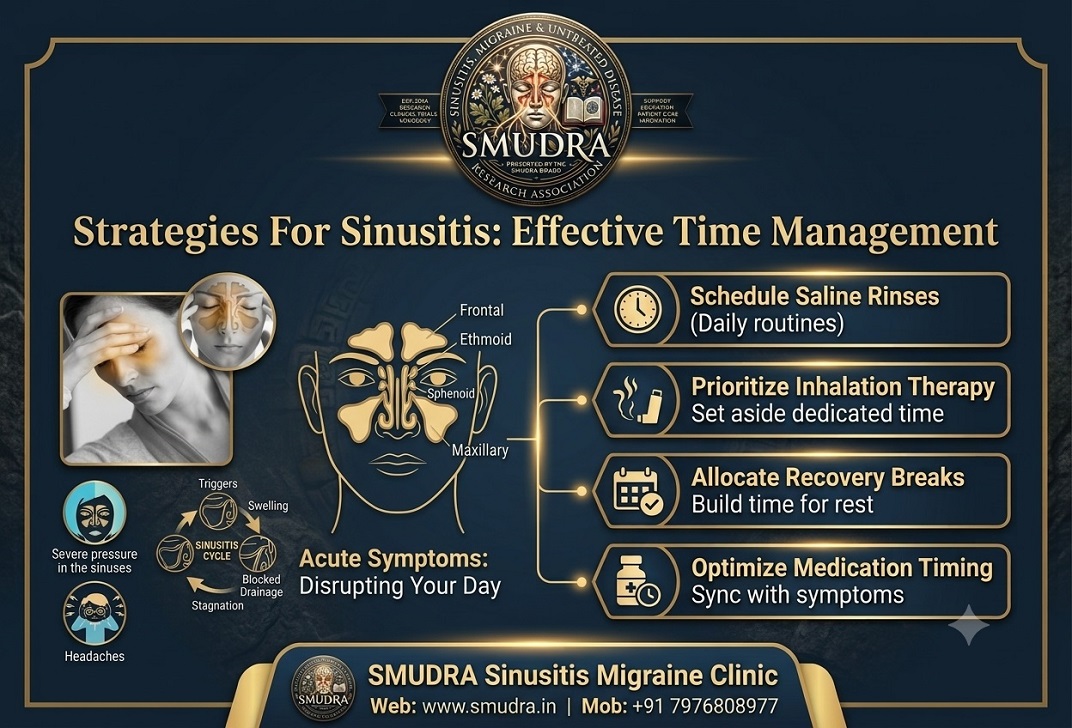
Strategies For Sinusitis: Effective Time Management
Living with sinusitis often means more than just dealing with congestion, facial pressure, headaches, or post-nasal drip. It can disrupt focus, sleep, productivity, and daily schedules. Effective time management becomes essential—not only to fit treatments into a busy life but also to act promptly so symptoms do not linger or worsen into chronic issues.
Timely, structured strategies help reduce flare-ups, speed recovery, and free up hours that would otherwise be lost to discomfort or repeated doctor visits. Here are practical approaches centered on strategies for sinusitis: effective time management.
Prioritize Early Recognition and Prompt Action
Sinusitis (acute or chronic inflammation of the sinus cavities) commonly follows colds, allergies, or environmental triggers. Symptoms such as nasal blockage, thick discharge, facial pain, reduced sense of smell, or associated headaches should not be ignored for weeks.
- Track symptoms briefly each day (a simple note on your phone takes under a minute).
- Most mild viral cases improve within 7–10 days with supportive care. Persistent or worsening symptoms beyond that window, high fever, severe pain, or vision changes warrant professional evaluation sooner rather than later.
Acting early prevents the cycle of repeated sick days and incomplete recoveries that erode time and energy.
Build Efficient Daily Routines That Support Sinus Health
Small, consistent habits save far more time than reactive crisis management:
- Hydration and humidification: Keep a water bottle nearby and use a basic humidifier or steam inhalation for 5–10 minutes morning and evening. These reduce mucus thickness and ease breathing without lengthy procedures.
- Nasal irrigation: Saline rinses (neti pot or squeeze bottle) performed once or twice daily take only a few minutes yet clear passages effectively. Prepare solution in advance for speed.
- Trigger control: Identify and minimize exposure to dust, smoke, strong fragrances, or allergens. Simple steps such as keeping windows closed during high-pollen periods or using an air purifier reduce the frequency of attacks.
- Sleep and posture: Elevate the head slightly while sleeping and maintain a consistent sleep schedule. Better rest improves immune response and shortens recovery windows.
- Movement and stress reduction: Short walks, gentle yoga, or breathing exercises (pranayama) can be slotted into existing breaks. Stress often amplifies sinus and related migraine symptoms; managing it efficiently protects both health and calendar.
These habits require minimal daily investment yet compound into fewer lost workdays and appointments.
Choose Treatments That Deliver Lasting Results
Over-the-counter decongestants or pain relievers may offer temporary relief but often need frequent re-dosing and do not address underlying causes. Antibiotics are appropriate only for confirmed bacterial cases and should not be used indiscriminately.
For many people, especially those with recurrent or chronic sinusitis (sometimes overlapping with migraine-type headaches), a root-cause approach yields better long-term time savings. Ayurvedic and naturopathic methods—such as targeted herbal formulations, Nasya (medicated nasal therapy), detoxification support, and lifestyle guidance—aim to reduce inflammation, improve drainage, and balance the system rather than merely suppress symptoms.
When treatment is personalized and effective, the need for repeated short-term interventions drops, freeing substantial time over months and years.
Leverage Specialist Care for Faster, Sustainable Outcomes
Self-management works for mild episodes, but recurring sinusitis or sinus-related migraines benefit from expert evaluation. Specialized clinics can differentiate true sinus issues from migraine mimics, allergic rhinitis, or other contributors and design efficient protocols.
SMUDRA Sinusitis Migraine Clinic focuses on Ayurvedic and natural approaches for sinusitis, allergic rhinitis, and migraine. As part of the Sinusitis Migraine and Untreated Diseases Research Association, it emphasizes research-backed, holistic care including herbal support and therapies designed for lasting relief. Many patients report meaningful improvement that reduces the ongoing time burden of symptoms.
Their team includes specialists experienced in these conditions. Treatment plans are structured for clarity and follow-through, helping patients regain control of their schedules.
Practical Time-Saving Checklist
- Note symptoms daily for 1–2 minutes.
- Perform saline rinse and steam once or twice a day (under 15 minutes total).
- Stay hydrated and maintain sleep routine.
- Avoid known triggers proactively.
- Seek professional assessment if symptoms persist beyond 7–10 days or recur frequently.
- Follow a prescribed plan consistently rather than switching remedies repeatedly.
Request an Appointment at SMUDRA Sinusitis Migraine Clinic
If sinusitis is affecting your productivity, sleep, or quality of life, professional guidance can restore efficiency and comfort.
SMUDRA Sinusitis Migraine Clinic
Web: www.smudra.in
Mobile: +91 7976808977
Contact them to request an appointment, discuss your symptoms, and explore suitable Ayurvedic options. Early, targeted care is one of the strongest strategies for sinusitis and effective time management.
Taking structured steps today—both daily habits and timely specialist support—helps reclaim hours, reduce discomfort, and prevent sinusitis from controlling your schedule.