

Subtotal ₹0.00


 24 Hour Emergency Aid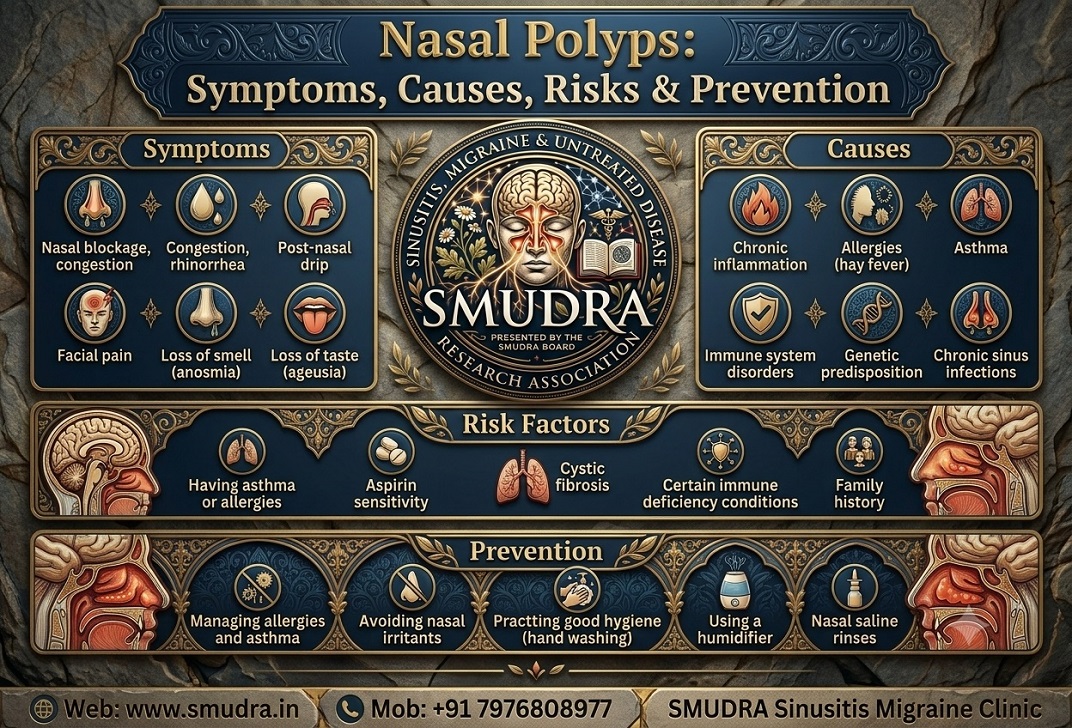
Understanding Nasal Polyps: Symptoms, Causes, Risks & Prevention
Nasal polyps are soft, painless, non-cancerous growths that develop on the lining of the nasal passages or sinuses. They often appear as teardrop- or grape-like swellings and result from chronic inflammation. They are linked to conditions such as asthma, recurrent infections, allergies, drug sensitivities, and certain immune disorders.
Small nasal polyps may cause no noticeable symptoms. Larger polyps or clusters can obstruct nasal passages, leading to breathing difficulty, loss of smell, and frequent infections. Nasal polyps can occur at any age but are more common in adults. Medications may shrink them, surgery is sometimes required for removal, and recurrence is common even after treatment.
Symptoms of Nasal Polyps and Chronic Sinusitis
Nasal polyps are closely associated with long-term irritation and inflammation of the nasal and sinus lining lasting more than 10–12 weeks (chronic sinusitis). Chronic sinusitis can also occur without polyps.

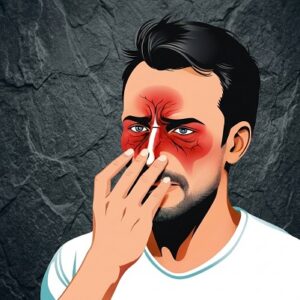
Because polyps are soft and lack sensation, small ones often go unnoticed. Multiple or large polyps that block passages commonly produce these symptoms:
- Runny nose or persistent nasal discharge
- Constant nasal fullness or congestion
- Post-nasal drip
- Reduced or complete loss of sense of smell
- Loss or alteration of sense of taste
- Facial pain or pressure, headache
- Pain in the upper teeth
- Pressure over the forehead and face
- Snoring
- Frequent sinus infections
When to see a doctor
Consult a specialist if symptoms persist longer than 10 days. Chronic sinusitis and nasal polyp symptoms overlap with those of a common cold, so professional evaluation is important.
Seek immediate medical care if you experience:
- Severe breathing difficulty
- Sudden worsening of symptoms
- Double vision, reduced vision, or limited eye movement
- Severe swelling around the eyes
- Severe headache with high fever or inability to bend the head forward
Causes
The exact reason some people develop nasal polyps is not fully understood. They form due to ongoing inflammation in the mucous membrane that lines the nose and sinuses. People who develop polyps may have different immune responses and chemical markers in their mucous membranes compared with those who do not.
Polyps can appear at any age but are most frequent in young and middle-aged adults. They can form anywhere in the nasal passages or sinuses and most often arise in the areas near the eyes and the ethmoid sinuses.
Risk Factors
Any condition that causes prolonged inflammation in the nasal passages or sinuses raises the risk of nasal polyps. Commonly associated conditions include:
- Asthma
- Aspirin sensitivity (aspirin-exacerbated respiratory disease)
- Allergic fungal sinusitis
- Cystic fibrosis
- Eosinophilic granulomatosis with polyangiitis (Churg-Strauss syndrome)
- Vitamin D deficiency
Family history and certain genetic variations affecting immune function may also increase susceptibility.
Possible Complications
By blocking normal airflow and drainage, and through ongoing inflammation, nasal polyps can lead to:
- Obstructive sleep apnea (repeated pauses in breathing during sleep)
- Worsening of asthma
- Recurrent or chronic sinus infections
Prevention and Self-Care Strategies
You can reduce the risk of developing polyps or of recurrence after treatment by:
- Managing allergies and asthma effectively and adjusting treatment if symptoms are not controlled
- Avoiding nasal irritants such as allergens, tobacco smoke, chemical fumes, dust, and fine particles
- Practicing good hand hygiene to lower the chance of infections that trigger inflammation
- Using a humidifier (cleaned regularly) to keep nasal passages moist and improve mucus flow
- Performing regular saline nasal rinses with distilled, sterile, previously boiled, or properly filtered water; clean the irrigation device after each use and allow it to air-dry
These measures support healthier nasal and sinus function and help limit the chronic inflammation that drives polyp formation.
Nasal polyps are a manageable condition when addressed early. Proper evaluation, medical or surgical treatment when needed, and consistent preventive care can significantly improve breathing, restore sense of smell, and reduce infections.
This information is for educational purposes and is not a substitute for professional medical advice. If you have persistent nasal or sinus symptoms, consult a qualified healthcare provider for personalized assessment and treatment.