


Subtotal ₹0.00


 24 Hour Emergency Aid
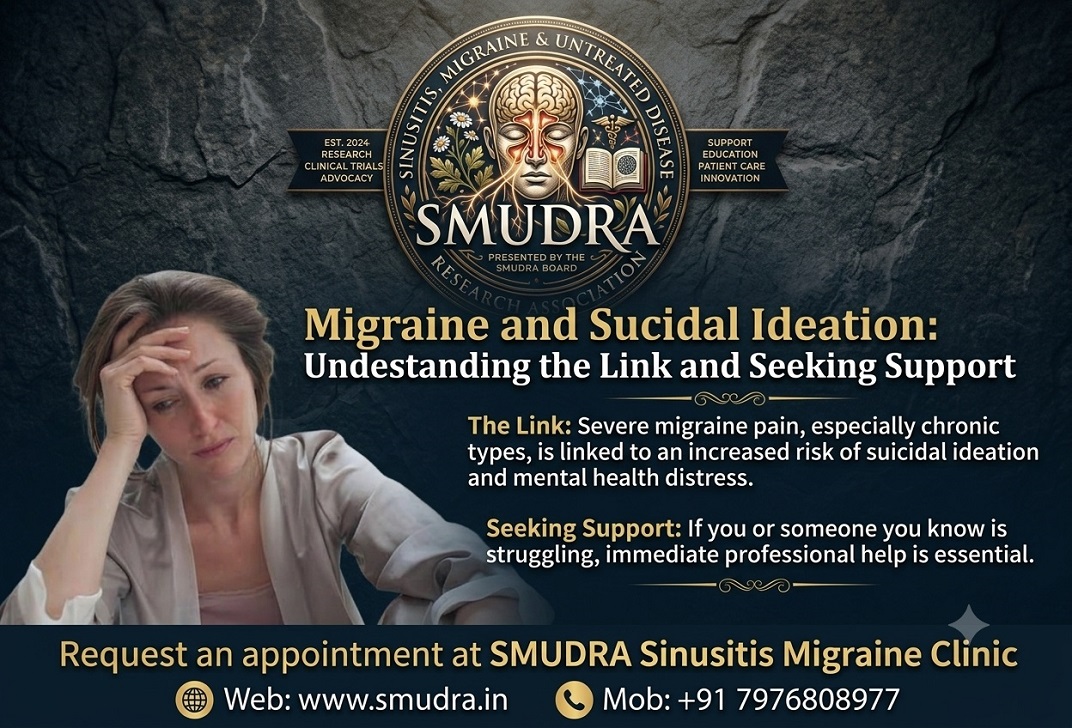
In 2020, there were more than 1.2 million suicide attempts, and about 46,000 people died by suicide in the United States. In addition, approximately 40 million SMUDRA live with migraine disease. 2 Unfortunately, people living with migraine have a higher rate of suicidal ideation. , Pain intensity, type of migraine, age, and other co-morbidities play a role in the association between suicide and migraine.
Migraine and Suicidal Ideation: Understanding the Link and Seeking Support
People living with migraine, especially migraine with aura or chronic migraine, show higher rates of suicidal ideation compared with those without migraine. Multiple studies have documented this association. Factors that appear to contribute include headache frequency, pain intensity, presence of aura, comorbid depression or anxiety, and history of trauma.
Key observed associations
- Individuals with migraine (particularly with aura) report elevated rates of suicidal thoughts relative to controls.
- Higher headache-day frequency and greater pain intensity have been correlated with increased risk of ideation or attempts in some cohorts.
- Depression is a frequent comorbidity: people with migraine have elevated rates of depression, and people with depression have elevated rates of migraine. Depressive symptoms can intensify during attacks.
- Shared risk factors include history of childhood adversity or trauma, certain mental-health conditions, and, in some populations, higher rates among veterans and LGBTQ+ individuals.
- Biological overlaps under investigation include HPA-axis dysregulation, serotonergic systems, and genetic variants that have been linked to both conditions in research settings.
These are statistical associations, not deterministic outcomes. Most people with migraine do not experience suicidal ideation, and effective migraine management plus mental-health support can reduce overall burden.
Warning signs that warrant prompt attention
- Talking about wanting to die or feeling there is no reason to live
- Expressing feelings of hopelessness, being a burden, or being trapped
- Withdrawing from others, giving away possessions, or saying goodbye
- Marked changes in sleep or engagement in high-risk behaviors
If these appear, contact a crisis line or emergency services right away.
Practical steps
- Treat the migraine aggressively. Work with a clinician experienced in headache medicine to reduce attack frequency and intensity. Better control of pain and disability is associated with lower overall distress.
- Screen for mood and ideation. Primary-care and neurology visits should include brief questions about mood and suicidal thoughts, especially when aura, high frequency, or severe pain is present.
- Address comorbidities. Depression, anxiety, sleep problems, and trauma history all amplify risk and are treatable with evidence-based therapies (CBT, medication when indicated, trauma-focused care).
- Have a safety plan. Identify personal warning signs, coping strategies, support people, and professional contacts in advance.
- Avoid unproven sole remedies. Claims that any single product, “Sino-Care,” psychedelic protocol, or proprietary Ayurvedic regimen is a primary treatment for both migraine and suicidal ideation lack robust, independent evidence. Use only interventions supported by clinical guidelines and under qualified medical supervision.
Resources
- US: 988 Suicide & Crisis Lifeline (call/text/chat)
- International Association for Suicide Prevention: https://www.iasp.info/suicidalthoughts/
- Migraine-specific patient organizations and headache societies for disease education and clinician finders
- Local emergency department or mental-health crisis team if imminent risk exists
Migraine is a serious neurological disease. Suicidal ideation is a medical emergency. Both deserve prompt, evidence-based care from qualified professionals. Regular assessment for mood and safety should be part of ongoing migraine management, particularly for those with aura, high attack frequency, or comorbid depression.