


Subtotal ₹0.00


 24 Hour Emergency Aid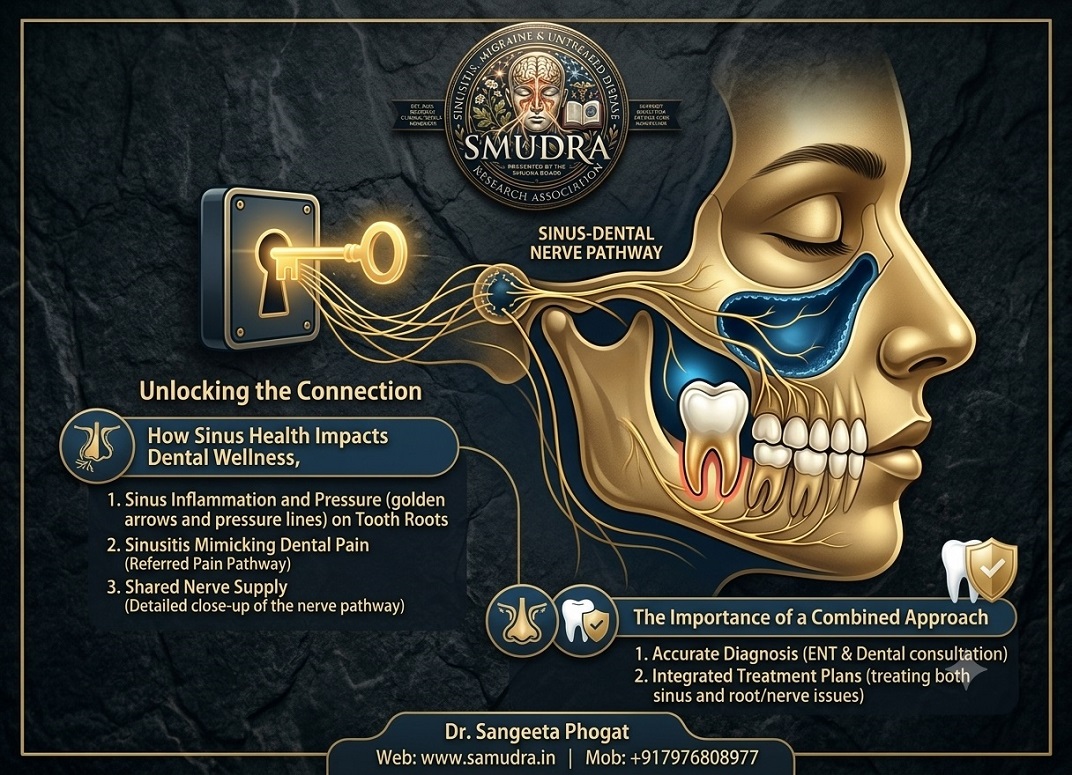
Unlocking the Connection: How Sinus Health Impacts Dental Wellness
Primary Keyword: sinus health and dental wellness
Secondary Keywords: sinusitis and tooth pain, sinus infection and dental health, sinus pressure tooth pain, sinusitis treatment, sinus health, dental wellness, sinus and dental connection
Have you ever experienced a dull ache in your upper teeth along with a blocked nose, facial pressure, or headache? The problem may not always be your teeth.
There is a close anatomical relationship between the sinuses and upper teeth, particularly the maxillary sinuses located behind the cheeks. Because of this connection, sinus inflammation or infection can sometimes create symptoms that feel like dental pain.
Understanding the relationship between sinus health and dental wellness can help you identify the possible source of discomfort and seek appropriate care.
What Is the Connection Between Sinuses and Teeth?
The maxillary sinuses are air-filled spaces located behind the cheekbones and directly above the roots of many upper teeth.
When these sinuses become inflamed because of sinusitis, allergies, infection, or other causes, pressure can develop in the surrounding area. This pressure may be felt in the upper jaw and teeth.
As a result, a person may experience:
- Aching or pressure in the upper teeth
- Facial pain or pressure
- Nasal congestion
- Headache
- Postnasal drainage
- A feeling of fullness around the cheeks
- Increased discomfort when bending forward
This is one reason why sinusitis and tooth pain can sometimes be confused with one another.
Can Sinusitis Cause Tooth Pain?
Yes. Sinus inflammation can sometimes cause pain that radiates to the upper back teeth.
This happens because the roots of some upper teeth are positioned very close to the floor of the maxillary sinus. In some individuals, the roots may be separated from the sinus by only a thin layer of bone.
When the sinus lining becomes swollen, pressure may affect nearby nerves and tissues, producing discomfort that feels like toothache.
However, not every toothache is caused by sinus problems. Dental conditions such as cavities, gum disease, cracked teeth, or dental infections can also cause significant pain.
How Can You Tell Sinus Pain From Dental Pain?
Although symptoms can overlap, there are some clues that may help.
Signs That May Suggest Sinus-Related Pain
Sinus-related discomfort may occur together with:
- Stuffy or blocked nose
- Facial pressure
- Headache
- Postnasal drip
- Reduced sense of smell
- Pressure around the cheeks
- Pain affecting several upper teeth
- Symptoms that become worse when bending forward
Signs That May Suggest a Dental Problem
A dental cause may be more likely when there is:
- Pain localized to one particular tooth
- Sensitivity to hot or cold foods
- Pain while chewing
- Swollen or bleeding gums
- Tooth damage or a visible cavity
- Persistent localized dental pain
Because symptoms can overlap, professional evaluation may be necessary to determine the underlying cause.
How Sinus Health Can Influence Dental Wellness
Maintaining healthy sinuses is not a replacement for proper dental care, but overall sinus health can contribute to comfort and well-being around the face, jaw, and upper teeth.
1. Reducing Unnecessary Tooth Discomfort
If upper-tooth discomfort is actually related to sinus inflammation, addressing the underlying sinus problem may help reduce the associated pressure and pain.
2. Better Understanding of Facial Pain
Facial pain can have multiple causes. Understanding the sinus-dental connection may help people avoid assuming that every upper-tooth ache is automatically a dental problem.
3. Encouraging Comprehensive Care
Sinus and dental health can overlap. Depending on the symptoms, a person may benefit from evaluation by a dentist, ENT specialist, or other qualified healthcare professional.
4. Supporting Overall Oral Comfort
Persistent nasal congestion can contribute to mouth breathing and dry mouth. Maintaining appropriate nasal and oral health may help support overall comfort.
Can Chronic Sinusitis Affect Your Mouth?
Chronic nasal congestion may encourage mouth breathing, particularly during sleep.
Mouth breathing can contribute to dryness and discomfort in the mouth. Saliva plays an important role in maintaining the oral environment, so persistent dry mouth can potentially affect oral health.
This is another reason why persistent nasal symptoms should not simply be ignored.
Why Proper Sinusitis Evaluation Matters
Sinus symptoms can have different causes, including infections, allergies, anatomical issues, and chronic inflammation.
Similarly, dental pain can result from several different conditions.
Self-diagnosing the cause of facial or tooth pain can therefore be difficult. If symptoms persist, recur frequently, or become severe, consult an appropriate healthcare professional.
A comprehensive evaluation can help determine whether the discomfort is primarily:
- Sinus-related
- Dental-related
- Allergy-related
- Neurological
- Or associated with another underlying condition
Tips for Supporting Sinus and Dental Health
You can take simple steps to support both areas of health:
Maintain Good Oral Hygiene
Brush twice daily with fluoride toothpaste, clean between your teeth, and maintain regular dental checkups.
Stay Hydrated
Adequate hydration can support normal mucus function and help prevent excessive oral dryness.
Manage Allergies
If allergies contribute to nasal congestion, appropriate allergy management may help reduce recurring nasal symptoms.
Don’t Ignore Persistent Symptoms
Repeated facial pressure, nasal obstruction, headaches, or unexplained upper-tooth discomfort deserve appropriate evaluation.
Avoid Unnecessary Self-Medication
Using medications without understanding the underlying cause may not address the actual problem. Professional guidance is particularly important when symptoms are persistent or recurrent.
When Should You See a Doctor or Dentist?
Consider seeking professional advice if you experience:
- Persistent upper-tooth pain
- Recurrent sinus infections
- Long-lasting nasal congestion
- Facial swelling
- Severe facial pain
- Fever associated with sinus symptoms
- Persistent headaches
- Dental pain that does not improve
- Difficulty breathing through the nose
If there is significant swelling around the eye or face, vision changes, severe headache, confusion, or other serious symptoms, seek urgent medical attention.
The Bigger Picture: Sinus Health and Dental Wellness
The relationship between the sinuses and upper teeth demonstrates how interconnected different parts of the head and face can be.
A sinus problem can sometimes feel like a dental problem, while a genuine dental infection can produce facial symptoms that resemble sinus disease. Recognizing this overlap can encourage people to seek the right evaluation instead of treating symptoms blindly.
Good sinus health and good dental hygiene are both important components of overall health and well-being.
Sinusitis and Migraine Clinic Franchise
For healthcare entrepreneurs interested in establishing a specialized healthcare practice, the Sinusitis and Migraine Clinic Franchise offers an opportunity to build a focused clinic model around sinusitis, migraine, and related patient-care services.
SMUDRA (Sinusitis, Migraine & Untreated Disease Research Association) promotes awareness and specialized approaches related to sinus and migraine care.
Why Consider a Sinusitis and Migraine Clinic?
A specialized clinic model can help create a focused environment for patients seeking evaluation and care for recurring sinus and migraine-related concerns.
If you are exploring a healthcare franchise opportunity, learn more about the Sinusitis and Migraine Clinic Franchise and the available clinic model.
Frequently Asked Questions
Can sinusitis cause pain in the upper teeth?
Yes. Inflammation and pressure in the maxillary sinuses can sometimes cause pain or pressure that is felt in the upper teeth.
Is every upper-toothache caused by sinusitis?
No. Cavities, gum disease, cracked teeth, infections, and other dental conditions can cause tooth pain. A professional evaluation may be needed.
Can sinus problems affect oral health?
Persistent nasal congestion can encourage mouth breathing, which may contribute to oral dryness and discomfort.
Should I see a dentist or ENT specialist for upper-tooth pain?
It depends on the symptoms. If you have localized tooth sensitivity or pain while chewing, a dentist may be appropriate. If tooth discomfort occurs with significant congestion, facial pressure, or other sinus symptoms, medical evaluation may also be appropriate.
How can I protect my sinus and dental health?
Maintain good oral hygiene, stay hydrated, manage known allergies appropriately, and seek professional evaluation for persistent or recurring symptoms.
Conclusion
The connection between sinus health and dental wellness is an important reminder that facial symptoms can have more than one possible source. Sinus inflammation can sometimes produce upper-tooth pain, while dental problems can also cause facial discomfort.
Understanding the connection, maintaining good oral hygiene, and seeking professional evaluation when symptoms persist can help you take a more informed approach to your health.
For information about the Sinusitis and Migraine Clinic Franchise:
Dr. Sangeeta Phogat
Website: www.samudra.in
Mobile: +91 79768 08977
SMUDRA – Sinusitis, Migraine & Untreated Disease Research Association