

Subtotal ₹0.00


 24 Hour Emergency Aid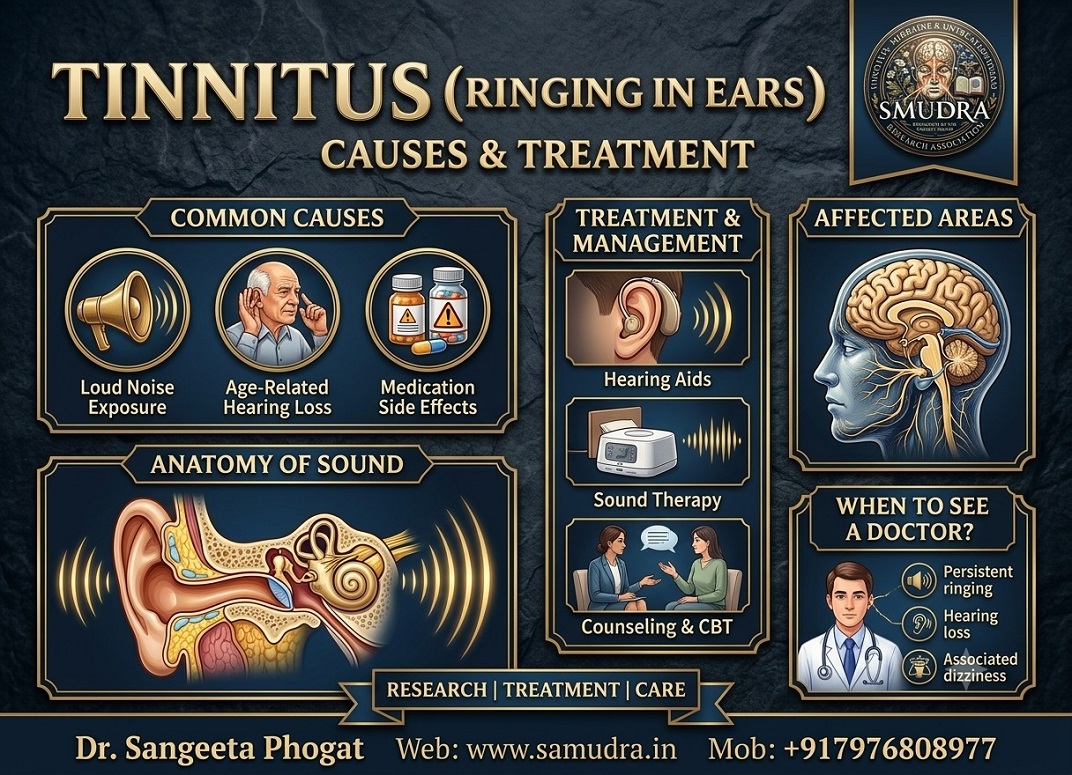
Tinnitus (Ringing in Ears): Causes, Symptoms & Treatment Options
Primary Keyword: Tinnitus Treatment
Secondary Keywords: tinnitus causes, ringing in ears treatment, tinnitus symptoms, tinnitus treatment in India, sinusitis and tinnitus, migraine and tinnitus, Ayurvedic tinnitus treatment
Tinnitus is the perception of sound in the ears or head when there is no external source producing that sound. People may experience ringing, buzzing, hissing, roaring, clicking, or humming in the ears. Tinnitus may occur continuously or intermittently and can affect one or both ears.
For some people, tinnitus is mild and temporary. For others, persistent ringing in the ears can interfere with sleep, concentration, work, and overall quality of life.
Understanding the causes of tinnitus and getting an appropriate medical evaluation is an important first step toward managing the condition.
What Is Tinnitus?
Tinnitus is generally considered a symptom rather than a disease itself. It can occur alongside hearing loss, ear problems, exposure to loud noise, certain medications, jaw or neck problems, or other medical conditions.
The sound experienced can vary considerably from person to person. Common descriptions include:
- Ringing in the ears
- Buzzing or humming
- Hissing
- Clicking
- Roaring
- Whistling
- Pulsing or heartbeat-like sounds
Tinnitus can be temporary, such as after attending a loud concert, or it can become persistent.
Common Causes of Tinnitus
There are many possible tinnitus causes, and identifying the underlying factor can help determine the most appropriate management approach.
1. Noise-Induced Hearing Damage
Repeated exposure to loud sounds can damage sensitive structures within the inner ear. Common sources include:
- Loud music and concerts
- Industrial machinery
- Construction equipment
- High-volume headphones or earphones
- Explosive or extremely loud sounds
Protecting your ears from excessive noise is an important part of tinnitus prevention.
2. Age-Related Hearing Loss
Hearing sensitivity can naturally decline with age. This age-related hearing loss, known as presbycusis, may be accompanied by tinnitus.
A hearing assessment can help determine whether hearing loss is contributing to the symptoms.
3. Earwax Blockage or Ear Problems
Excessive earwax can block the ear canal and sometimes contribute to ringing or other abnormal sounds. Ear infections and middle-ear problems may also cause temporary tinnitus.
A healthcare professional can determine whether a treatable ear condition is responsible.
4. Medications
Some medicines can affect the auditory system and may list tinnitus as a possible side effect. Examples can include certain antibiotics, high doses of salicylates, some chemotherapy medicines, and diuretics.
Do not stop a prescribed medicine on your own. If tinnitus begins or becomes worse after starting a medication, discuss it with your doctor.
5. Vascular or Circulatory Problems
Some people experience pulsatile tinnitus, in which the sound seems to beat in time with the heartbeat.
This can sometimes be associated with blood-flow or vascular conditions and deserves medical evaluation, particularly if it is new or persistent.
6. Jaw and Neck Problems
Temporomandibular joint (TMJ) problems, jaw clenching, and muscular tension in the neck can sometimes influence tinnitus.
In certain individuals, tinnitus may change when they move their jaw, neck, or head.
7. Sinusitis and Nasal Congestion
Sinusitis and tinnitus may occur together, particularly when nasal congestion, inflammation, or pressure affects the surrounding ear and sinus structures.
People with chronic sinus problems may notice ear fullness, pressure, muffled hearing, or increased awareness of ringing.
However, tinnitus has many possible causes, so persistent symptoms should not automatically be attributed to sinusitis.
8. Migraine and Tinnitus
Some people with migraine experience auditory symptoms, including tinnitus or increased sensitivity to sound.
The relationship between migraine and tinnitus can vary from person to person. Proper evaluation is useful when tinnitus occurs alongside recurrent headaches, dizziness, light sensitivity, or other migraine-related symptoms.
9. Other Medical Conditions
Less common causes can include conditions affecting the inner ear, auditory nerve, blood vessels, thyroid function, or neurological system.
Persistent or unexplained tinnitus should therefore be assessed rather than self-diagnosed.
Tinnitus Symptoms
The most recognizable tinnitus symptom is hearing a sound without an external source.
Depending on the individual, symptoms may include:
- Ringing or buzzing in the ears
- Hissing or whistling sounds
- Clicking or pulsing
- Ear fullness or pressure
- Difficulty concentrating
- Sleep disturbance
- Increased sensitivity to sound
- Anxiety or frustration related to persistent noise
The intensity of tinnitus can fluctuate throughout the day and may become more noticeable in quiet environments.
Tinnitus Treatment: What Options Are Available?
There is currently no single treatment that works for every person with tinnitus. Treatment depends largely on the suspected cause, associated hearing loss, and how significantly the symptoms affect daily life.
1. Medical and ENT Evaluation
The first step in tinnitus treatment is often identifying potentially treatable causes.
An ENT specialist or qualified healthcare professional may evaluate:
- Earwax or infection
- Hearing loss
- Sinus and nasal problems
- Medication-related causes
- Jaw and neck issues
- Dizziness or balance symptoms
- Pulsatile tinnitus
- Other underlying medical conditions
Treating an identifiable underlying problem may reduce tinnitus in some individuals.
2. Hearing Assessment
A hearing test can be particularly useful when tinnitus occurs together with reduced hearing.
For people with hearing loss, hearing aids may improve communication and can sometimes make tinnitus less noticeable.
3. Sound Therapy
Sound therapy can help reduce the contrast between tinnitus and silence.
Possible approaches include:
- White noise
- Nature sounds
- Fans or other background sounds
- Specialized tinnitus sound generators
- Hearing devices with tinnitus-management features
The goal is often to make tinnitus less intrusive rather than simply trying to eliminate every sound.
4. Cognitive Behavioral Therapy
Tinnitus can become particularly distressing when it affects sleep, concentration, or emotional well-being.
Cognitive behavioral therapy (CBT) and related psychological approaches can help people change their response to tinnitus and reduce the distress associated with it.
5. Lifestyle and Stress Management
Stress and poor sleep can make tinnitus feel more noticeable.
Helpful habits may include:
- Maintaining a regular sleep schedule
- Practicing relaxation or mindfulness
- Protecting your ears from excessive noise
- Avoiding unnecessarily loud headphones
- Managing stress
- Exercising regularly
- Maintaining a balanced diet
- Limiting substances that personally worsen symptoms
There is no universal food or supplement that cures tinnitus, so be cautious about products making guaranteed-cure claims.
Ayurvedic and Integrative Approaches to Tinnitus
Some clinics offer Ayurvedic tinnitus treatment or integrative programs that combine traditional approaches with assessment of associated sinus, migraine, lifestyle, and stress-related factors.
The Sino Care Tinnitus Treatment Pack is presented as one such structured approach associated with sinusitis and migraine-related concerns.
However, tinnitus can have many different causes. An appropriate medical assessment should be considered before relying on any treatment pack or assuming that tinnitus is caused by sinus problems.
Can Sinusitis Cause Ringing in the Ears?
Sinusitis can cause congestion, pressure, and ear-related symptoms, and some people report tinnitus when they have significant nasal or sinus problems.
If your ringing in the ears occurs together with chronic nasal congestion, facial pressure, headaches, or sinus symptoms, evaluating the sinus and ear conditions may be worthwhile.
At the same time, persistent tinnitus should not automatically be attributed to sinusitis because hearing loss, noise exposure, medications, TMJ problems, migraine, and other conditions can also contribute.
When Should You See a Doctor for Tinnitus?
Professional evaluation is especially important if tinnitus:
- Begins suddenly
- Occurs after a head or neck injury
- Is present in only one ear
- Is accompanied by sudden hearing loss
- Occurs with severe dizziness or balance problems
- Is pulsatile or synchronized with your heartbeat
- Is accompanied by significant ear pain or discharge
- Is persistent or progressively worsening
- Seriously affects sleep, concentration, or daily activities
Sudden hearing loss with tinnitus should be treated as a medical urgency and evaluated promptly.
How to Prevent Tinnitus From Getting Worse
Although not every case of tinnitus can be prevented, several measures can protect hearing and reduce avoidable risks:
Protect Your Ears
Use appropriate hearing protection around loud machinery, concerts, and other high-noise environments.
Keep Headphone Volume Moderate
Avoid prolonged listening at very high volume levels.
Manage Stress and Sleep
Poor sleep and stress can make tinnitus more difficult to tolerate.
Treat Ear Problems Promptly
Ear infections, excessive earwax, and other treatable conditions should be evaluated by an appropriate healthcare professional.
Get Hearing Checked
If you notice hearing changes together with tinnitus, consider a professional hearing assessment.
Frequently Asked Questions About Tinnitus
Is tinnitus curable?
It depends on the cause. Some cases improve when an underlying problem such as earwax, infection, medication effects, or certain medical conditions is addressed. In other cases, tinnitus may persist and the focus becomes reducing its impact and improving quality of life.
What is the best treatment for tinnitus?
There is no single best treatment for everyone. The appropriate approach depends on the cause and associated symptoms. Hearing assessment, treatment of underlying conditions, sound therapy, and behavioral approaches may all have a role.
Can sinusitis cause tinnitus?
Sinusitis and nasal congestion can occur alongside ear pressure and tinnitus-like symptoms in some people. However, persistent tinnitus has many possible causes and should be appropriately evaluated.
Can migraine cause ringing in the ears?
Tinnitus can occur in some people with migraine. If ringing occurs with recurrent headaches, dizziness, light sensitivity, or other migraine symptoms, discussing the combination with a healthcare professional may be helpful.
Is tinnitus dangerous?
Tinnitus itself is often not dangerous, but it can occasionally be associated with an underlying condition that requires evaluation. New pulsatile tinnitus, sudden hearing loss, neurological symptoms, or tinnitus following significant injury warrants prompt medical attention.
Take the Next Step Toward Better Tinnitus Management
Persistent ringing in the ears can be frustrating, but understanding the possible cause is an important first step.
If your tinnitus occurs alongside sinusitis, nasal congestion, headaches, migraine symptoms, ear pressure, or hearing difficulties, a personalized assessment can help determine what factors may be contributing to your symptoms.
For information about sinus–migraine and tinnitus-focused care, you can contact Dr. Sangeeta Phogat and learn more about the Sino Care treatment approach.
Dr. Sangeeta Phogat
Website: www.samudra.in
Mobile: +91 79768 08977
Medical Disclaimer: This article is intended for general educational purposes and should not be considered a diagnosis or a substitute for professional medical advice. Tinnitus has multiple possible causes. Consult a qualified healthcare professional or ENT specialist for persistent, sudden, severe, or unexplained symptoms.